


Charity highlights world’s ‘invisible’ horses
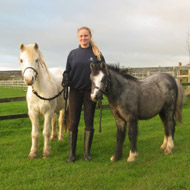
Buzz and Bee feature in World Horse Welfare's new campaign.
A campaign to highlight the ‘invisible’ horses that suffer in silence as people either cannot or choose not to see them, has been launched by World Horse Welfare.
The year-long campaign will highlight the plight of these horses, making them ‘visible’ so they can receive the care and protection they need.
The first quarter of the year calls attention to the number of foals born into uncertain futures and the wide-reaching impact this has on horse welfare.
As the year progresses, the charity will focus on foals and youngsters, rescue and rehoming, and working horses around the world - like those working long hours on the streets of Cambodia.
Many of the 300-plus horses who arrive into the care of World Horse Welfare have a lengthy period of rehabilitation. But for the mares arriving in foal, this time period is much longer
The charity says that rehabilitation of an average horse costs around £5,000. But when that horse is either carrying a foal, or has recently given birth to one, the cost can be significantly more.
One of the young foals featured in World Horse Welfare’s campaign is Bee, who arrived at the Centre’s Glenda Spooner Farm in June 2015.
Bee was found by field officer Phil Jones in a ‘very poor state’ with her mother, Buzz, on common land in south Wales. Buzz was severely underweight and struggling to feed her foal.
The attending vet stated that neither pony could be left on the common, so they were taken straight to the veterinary clinic for emergency treatment before moving to Glenda Spooner.
“Whilst both Buzz and Bee are now healthy and have put on weight, the journey to rehabilitate Buzz ready for rehoming is a much longer one than a lot of the horses and ponies World Horse Welfare takes into our centres,” said centre manager Claire Phillips.
“Buzz is only four years old herself and has already had a huge strain on her body through being in foal and giving birth to a healthy foal despite her own terrible condition. A lack of adequate nutrition during her pregnancy and early stages of motherhood further added to this strain and the knock-on effect means she will spend a lot more time with us here at World Horse Welfare so she can be fully rehabilitated before beginning ridden or driven work with a view to rehoming in the future.”
For more information about the campaign visit www.worldhorsewelfare.org/The-Invisible-Horse.


 Companies marketing medicines for small pets exempt from authorisation must submit their annual return to the Veterinary Medicines Directorate (VMD) by 30 November 2026.



