


Facebook's wildlife trade revealed in new report
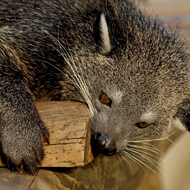
Binturongs were among the species being traded on Malaysian Facebook groups.
Facebook is being used to create an online marketplace for the trade in endangered animals, a new report has revealed.
Over a period of over five months, the wildlife network TRAFFIC monitored 14 Facebook groups in Peninsula Malaysia. Just half an hour's daily monitoring found more than 300 apparently wild, live animals for sale as pets. Species ranged from sun bears and gibbons to otters and binturongs.
The findings are surprising as Peninsula Malaysia does not have open wildlife markets like those found in other parts of southeast Asia.
"The rise of social media appears to have enabled the creation of a thriving marketplace for wild animals as pets where one previously didn't exist in Malaysia," said co-author of the report Kanitha Krishnasamy.
Findings from the report have been shared with Facebook who say they will collaborate with TRAFFIC to prevent the abuse of their platform in Malaysia and elsewhere.
A spokesperson for the social media site said: "We are committed to working with TRAFFIC to help tackle the illegal online trade of wildlife in Malaysia. Facebook does not allow the sale and trade of endangered animals and we will not hesitate to remove any content that violates our Terms of Service."
During the monitoring period, 25 of the 69 non-native species being sold - including the yellow cockatoo and ploughshare tortoise - were protected under CITES, which restricts or prohibits their commercial international trade.
More than 60 per cent of all the species recorded were native to Malaysia and nearly half of these are protected from hunting or trade and illegal to sell under the country's laws.
Most of the 14 groups studied were 'closed groups' and require membership to view. During the study they had around 68,000 members and 106 individual sellers, who did little to conceal their illegal activities, TRAFFIC reported.
The organisation also shared its findings with the country's Department of Wildlife and National Parks, which has carried out many successful operations against wildlife traders operating on Facebook.
Authors of the report called for better collaboration between enforcement agencies and Facebook to tackle offenders. They also urged social media sites to do more to raise awareness of these issues and condemn illegal activities.
The creation of a dedicated forum was also recommended to allow governments, social networking sites and NGOs on regional and global levels to work together on realistic solutions.
TRAFFIC's senior crime data analyst Sarah Stoner, added: "Social media's ability to put traffickers in touch with many potential buyers quickly, cheaply and anonymously is of concern for threatened wildlife and enforcement agencies which demands nothing short of a concerted global response."


 A nationwide roadshow offering free, personalised parasite risk assessments and flea and tick checks will be visiting popular dog events across the UK.



