


First evidence of a link between Zika and GBS
The risk of GBS was estimated at around 2.4 in every 10,000 patients with Zika infection.
For the first time, scientists say they have found evidence to suggest a link between Zika virus and Guillain-Barré syndrome (GBS) - a severe form of limb paralysis that often occurs with respiratory impairment.
A multidisciplinary study led by the Institut Pasteur in Paris has enabled virologists to identify recent Zika infection in 41 out of 42 patients who experienced GBS during the French Polynesian Zika epidemic in 2013-14.
Lead author Professor Arnaud Fontanet, said: "This work is significant because it allows for the confirmation of the role of Zika virus infection in the occurrences of the severe neurological complications that constitute Guillain-Barré syndrome.
"This indicates that the regions which are affected by the Zika virus epidemic are likely to see a significant increase in the number of patients with serious neurological complications, and when possible, should increase the capacity of health-care facilities to receive patients needing intensive care."
The risk of GBS was estimated at around 2.4 in every 10,000 patients with Zika infection. This figure was based on the fact that about two-thirds of the French Polynesian population were infected during the 2013-14 epidemic.
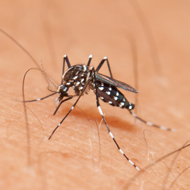
Zika virus, which is primarily spread through the bite of an infected Aedes mosquito, is often mild with patients experiencing no symptoms or a few days of fever, skin rash and conjunctivitis.
But during the French Polynesian epidemic, there was a noticeable increase in GBS cases. At the time, however, it was not possible to establish a definite causal link.
More recently, Zika has continued to spread across Latin America, prompting the World Health Organisation to declare a public health emergency. A number of countries have issued public health warnings about the increase in GBS cases, as well as microcephaly in newborn babies.


 Companies marketing medicines for small pets exempt from authorisation must submit their annual return to the Veterinary Medicines Directorate (VMD) by 30 November 2026.



