


UK’s wildlife crime unit saved from closure
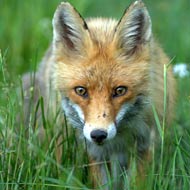
A total of £1.204 million has been found to fund the Unit up until 2020.
Animal welfare advocates have hailed the government’s decision to fund the future work of the National Wildlife Crime Unit (NWCU) as ‘a victory for animal protection’.
In a statement Josh Kaile, head of public affairs at World Animal Protection, said that yesterday’s announcement is ‘fantastic news for British wildlife’.
“World Animal Protection has been leading the fight to save the National Wildlife Crime Unit for many months and it is clear that the government has now listened to the voice of the UK Public,” he said.
“It is a victory for animal protection that resources have been secured long-term to fight wildlife crime both home and abroad.”
In February MRCVSonline reported that the NWCU faced closure in weeks unless the Government was able to renew its funding.
Established in 2006, the Unit assists in the prevention and detection of offences such as poaching, illegal trade and cruelty to wild animals.
The organisation receives much of its funding from Defra and the Home Office. But when chancellor George Osborne announced the spending review in November, it was not confirmed whether the organisation would receive funding beyond the end of March.
In a statement released yesterday (1 March), environment minister Rory Stewart said that following the spending review, DEFRA and Home Office ministers have been considering the level of government funding for the NWCU beyond March 2016.
He revealed that a total of £1.204 million had been found to fund the Unit up until 2020.
“In recognition of the important contribution the Unit makes to tackling wildlife crime, both at home and abroad, I can confirm that Defra and Home Office Ministers have agreed that their respective departments will each provide the Unit with funding of £136,000 a year for the next four financial years,” he said.
“This will give the Unit significant financial stability and enable their vital work to continue until at least 2020. Those contributions will be in addition to the funding central Government provides to police forces in England and Wales to tackle all types of crime (including wildlife crime).
“In addition, Defra will provide the Unit with up to £29,000 a year over the next four years for specific work to tackle wildlife crime conducted online, as a developing area of global criminal activity.
He also praised the work of the NWCU, saying that it plays an important role in wildlife law enforcement both at home and abroad.


 Companies marketing medicines for small pets exempt from authorisation must submit their annual return to the Veterinary Medicines Directorate (VMD) by 30 November 2026.



