


Bluetongue: clear communication needed over vaccine
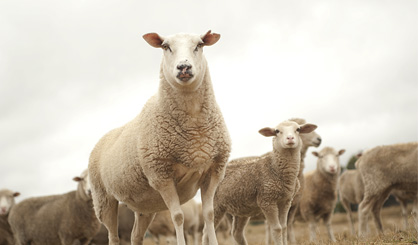
"The vaccine takes some time to produce so we must be responsible as an industry."
Low uptake of the bluetongue vaccine in the past has made manufacturers reluctant to produce it, the National Sheep Association (NSA) has warned.
The vaccine is not currently available in the UK but a report published by the Animal and Plant Health Agency (APHA) last month said we are likely to see bluetongue outbreaks in late summer this year.
NSA chief executive Phil Stocker said the industry needs to plan ahead and keep communication lines open about potential vaccine uptake.
"The vaccine takes some time to produce so we must be responsible as an industry, think well ahead about the risk to our flocks and herds, and ensure clear communication between us, government and animal health companies."
Bluetongue affects ruminants including sheep, cattle, goats, deer, llamas and alpacas. France reported an outbreak of serotype 8 in September last year. The APHA's report last month said there have since been 170 outbreaks in the country. All existing stocks of the vaccine are currently owned by the French government.
The virus could spread to the UK this year as a result of midges being blown from France to the south east of England. The level of risk will depend on weather conditions, temperatures and the amount of virus circulation in France.
Defra believes that the industry could have a significant impact on disease spread by achieving vaccination rates of 80 per cent, 50 per cent or even 25 per cent in bovine/ovid species by 1 May, 2016. But as things stand, there is no available vaccine and little financial incentive for farmers to vaccinate.
In the 2007 bluetongue outbreak, a vaccination programme was subsidised by the government, but it is thought this will not be the case this time around.
Whilst Mr Stocker said there is "absolutely no need to panic", sheep and cattle farmers are encouraged to be aware of the risks and contact their vet immediately if they suspect bluetongue. Particular caution is needed as most stock will be immunologically naive to the virus and previous experience in France suggests a low level of clinical signs.
Mr Stocker added: "While the reluctance of Defra to roll out a nationally-funded vaccination programme is understandable, NSA feels strongly that trade must be protected at all costs. We are told the risk to both export and internal trade is considered to be low at the current time but this must be closely monitored."


 Companies marketing medicines for small pets exempt from authorisation must submit their annual return to the Veterinary Medicines Directorate (VMD) by 30 November 2026.



