


Snail shells offer clues to rare human condition
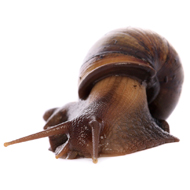
Scientists managed to pinpoint a gene in snails that determines whether their shells grow clockwise - as most do - or anticlockwise.
A study of snail shells could offer fresh insight into a rare condition of humans, whereby internal organs develop on the wrong side of the body.
Scientists managed to pinpoint a gene in snails that determines whether their shells grow clockwise - as most do - or anticlockwise.
Nearly all animals and people have an asymmetrical arrangement of internal organs and one in 10,000 are born with major organs on the wrong side of their bodies. This rare condition, Situs inversus, usually has no symptoms but has long been a mystery to scientists.
The new research on snail shells could offer clues about this asymmetry in people. A team led by the University of Nottingham and the University of Edinburgh used genome sequencing technologies to identify the flaw that causes shells to twist anticlockwise.
Their findings, published in Current Biology, show that the gene defect results in an absence of a protein called formin, which is usually produced by the gene. It is a building block of the structures that give cells their shape.
In snails with an anticlockwise shell, scientists say formin is absent in early embryo development and, as a result, snails have mirror image bodies and anticlockwise shells.
Research carried out on frogs suggest the gene plays a similar role in the early development of creatures with spines, including people.
Edinburgh's Professor Mark Blaxter, commented: "We were able to use cutting-edge DNA and computer analyses to decode snail genes, then identify the one letter changed in a billion that causes shells to grow anticlockwise.
"The combination of traditional science and new tools has enabled stunning insights into early development."


 Companies marketing medicines for small pets exempt from authorisation must submit their annual return to the Veterinary Medicines Directorate (VMD) by 30 November 2026.



