


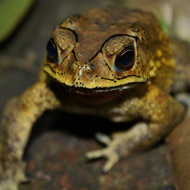
Invasive species thought to have arrived between 2007 and 2010
A new report has found that there is a 'diminishing window of opportunity' to eradicate a toxic species of toad in Madagascar.
The Asian Toad Eradication Feasibility Report For Madagascar details risks and immediate measures necessary to deal with the plague of toxic Asian toads currently spreading in Eastern Madagascar.
The report follows serious international concern over the predicament of the country’s wildlife, and stresses the urgent need to field test methods to address the environmental disaster.
However, experts believe that there is a ‘diminishing window of opportunity’ during which eradication may still be feasible. They add that success will require immediate technical and financial support, in addition to the development of in-country eradication capacity.
Madagascar also has a lack of enforced biosecurity border measures, making the situation more complicated. The report authors argue that the cost of eradication can only be justified if the probability of re-invasion is reduced through an improvement in biosecurity policy, restoring and enforcement at Madagascar’s borders.
Chris Raxworthy, co-author, herpetologist and associate curator at the American Museum of Natural History said: “Considering the broad range of biological and economic negative impacts that are expected from this toxic toad, future generations will be furious, should we not make an eradication effort now, while there is still a chance of success.
“We do not want to look back twenty years from now and wonder what Madagascar would be like if we had addressed this issue properly.”
The Asian toad is thought to have arrived in Madagascar between 2007 and 2010. Researchers have found that the frogs are most similar to the existing population in South East Asia, yet their exact origin and method of introduction to Madagascar are still unknown.
Not only does the Asian toad threaten the predicament of Madagascar’s precious and unique wildlife, but they also pose a threat to human health. In Madagascar, edible frogs are a common component of diet in many rural areas, so there is a considerable risk of poisoning through consumption.
“The Asian toad can spread across most habitats with no obvious barriers. However, it is currently restricted to about 110 km2, which gives us hope that we can contain it, but only if we act now,” said James Reardon, an eradication expert with New Zealand’s Department of Conservation, and co-author.
“If the toads become established in the Pangalanes Canal system - one of the longest manmade canals in the world - eradication will no longer be an option, and they will likely cause ecological damage similar to that of the Cane toad in Australia.”
Image (C) Thomas Brown.


 Companies marketing medicines for small pets exempt from authorisation must submit their annual return to the Veterinary Medicines Directorate (VMD) by 30 November 2026.



