


'Genetic paint box' creates new wing patterns
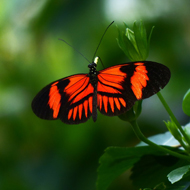
Two of the most common colour patterns are found in combination on many species of Heliconius butterfly.
Genetic components that produce different colour splotches on butterfly wings can be shared between species to create new patterns, much like a 'genetic paint box'.
This is according to new research by Cambridge scientists, who studied 142 individual butterflies from 17 Heliconius species. They found that colour patches are controlled by independent genetic switches that have been 'jumbled up' between species over millions of years.
Two of the most common colour patterns are found in combination on many species of Heliconius butterfly. Previous research on Amazonian Heliconius butterflies has already shown that these patterns are controlled by separate genetic switches that arose in completely different species.
The Cambridge team were able to trace the merging of these two colour patterns to interbreeding between species nearly two million years ago.
Published in the journal PLOS Biology, it is the first study of its kind to show that mixing of genetic materials can create new patterns by generating new gene combinations.
"By identifying the genetic switches associated with bits of wing pattern, when they evolved and how they diverged, we can actually map onto the species tree how these little regions of colour have jumped between species - and we can see they are jumping about all over the place," explained senior author, Professor Chris Jiggins, from Cambridge University's zoology department.
It is already known that exchanging genes between species is important for evolution. Humans, for example, exchanged genes with now extinct relatives that may help us to survive at high altitudes. For butterflies, this allows them to share common warning signs that ward off predators.
The key to this 'genetic paint box' is the independence of each genetic switch, which allows "evolutionary tinkering with the wing pattern without affecting parts of the genetic software that control the brain or eyes," said lead author Dr Richard Wallbank.
"This modularity means switching on a tiny piece of the gene's DNA produces one piece of pattern or another on the wings – like a genetic paint box."


 Companies marketing medicines for small pets exempt from authorisation must submit their annual return to the Veterinary Medicines Directorate (VMD) by 30 November 2026.



