


Vitamin D linked to reproductive success
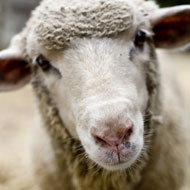
The study was carried out on wild sheep on the remote Scottish island of St Kilda.
Improved fertility and reproductive success in wild animals is linked to high levels of vitamin D, a study led by the University of Edinburgh has found.
The study, carried out on wild sheep on a remote Scottish island, adds to growing evidence that vitamin D - known as the sunshine vitamin - is connected to reproductive health.
Scientists hope that further studies will help to ascertain whether the finding is relevant for other mammals, including humans.
Dr Richard Mellanby, head of small animal medicine at the University’s Royal (Dick) School of Veterinary Studies said: “Our study is the first to link vitamin D status and reproductive success in a wild animal population.
“Examining the non-skeletal health benefits of vitamin D in humans is challenging because people are exposed to different amounts of sunlight each day. Studying the relationship between skin and dietary sources of vitamin D – and long term health outcomes – is more straightforward in sheep living on a small island.”
In the study, researchers measured concentrations of a marker linked to vitamins D in the blood of an unmanaged population of Soay sheep on the island of St Kilda.
They found that sheep with higher levels of vitamin D in their blood at the end of summer went on to have more lambs in the following Spring.
Although many studies have linked vitamin D to reproductive health in animals and humans, this is the first time that a link has been made between vitamin D and wild animals.
Published in the journal Scientific Reports, the research was funded by the Wellcome Trust and the Natural Environment Research Council.


 Companies marketing medicines for small pets exempt from authorisation must submit their annual return to the Veterinary Medicines Directorate (VMD) by 30 November 2026.



