


Review on neonicotinoid ban gets underway
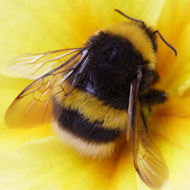
The government placed an EU-wide ban on neonicotinoids for two years following studies which found that the pesticides caused significant harm to bees.
A review which could lead to a reversal on the EU-wide ban on neonicotinoid pesticides, which have been linked to the decline of bees, has been launched by the European Food Safety Authority (Efsa).
The Guardian reports that, in a letter to the European Commission last month, EU scientists said that they would end their risk evaluation by the end of January 2017.
An official announcement about the review is expected shortly. However, a commission spokesperson told the Guardian that it may not necessarily lead to any changes to the law.
“The restrictions on the use of neonicotinoids remain in place while this review is carried out,” he said. “Depending on the outcome of this evaluation, the commission will propose, only if justified, to further modify the conditions of approval of the three neonicotinoids.”
In 2012 the government placed an EU-wide ban on neonicotinoids for two years following studies which found that the pesticides caused significant harm to bees.
Since its implementation, there has been mounting evidence liking the pesticides to the diminishing populations of bees. On Wednesday the US Environmental Protection Agency published field trial results showing that one of the 'neonics', imidacloprid, has a drastic effect on hive numbers.
Research has shown that neonicotinoids interferes with a bee's ability to lean and remember. Scientists are worried that even low exposure to the pesticides could confuse the insects, making it more difficult for them to find food or safely return to their hives.


 Companies marketing medicines for small pets exempt from authorisation must submit their annual return to the Veterinary Medicines Directorate (VMD) by 30 November 2026.



