


First aquatic animal health strategy launches
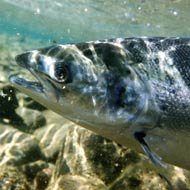
"Real benefits can be achieved by protecting and improving the health of our farmed, wild migratory and freshwater fish, and shellfish."
For the first time, Defra has launched an aquatic animal health strategy for England. The five-year programme aims to minimise the risk and impact of disease outbreaks.
The trade in ornamental fish alone is worth around £150 million a year, while exports of fish and crustaceans from the UK reached £1.6 billion last year.
As the country's aquaculture grows, so does the threat and potential impact of disease on farmed and wild stocks.
The government is aiming to protect and improve the health of aquatic animals by strengthening controls to reduce the risk of importing diseases, whilst improving biosecurity.
Improved surveillance will allow for early detection if disease when outbreaks do occur. Defra also hopes to develop enhanced tools for controlling disease quickly. These steps will help to prevent the onward spread of disease and lessen the direct costs on aquaculture businesses.
Other steps include robust contingency plans in case of an emergency, sharing practical information with stakeholders, maintaining awareness of global emerging disease threats and developing new diagnostic techniques and specialist equipment.
The UK's chief veterinary officer, Nigel Gibbens, said: "Real benefits can be achieved by protecting and improving the health of our farmed, wild migratory and freshwater fish, and shellfish; aquatic disease outbreaks threaten trade and profitability, the natural environment and important recreational activities such as angling."
For more information, read Defra's Aquatic animal health strategy for England - rationale and next steps: https://www.gov.uk/government/uploads/system/uploads/attachment_data/file/482386/aquatic-animal-health-strategy-rationale-next-steps-2015.pdf


 Companies marketing medicines for small pets exempt from authorisation must submit their annual return to the Veterinary Medicines Directorate (VMD) by 30 November 2026.



