


Unusual outbreaks of M. bovis mastitis
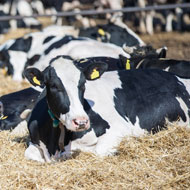
These recent outbreaks are noteworthy as they occurred only in dry cows (stock photo).
Four unusual outbreaks of Mycoplasma bovis mastitis have occurred in UK dairy cattle, the Animal and Plant Health Agency (APHA) has revealed.
The four separate cases occurred over an 18-month period on farms in Shropshire, Cheshire and North East Wales.
M. bovis mastitis is diagnosed 'relatively infrequently' in APHA laboratories, according a letter published in the Veterinary Record. These recent outbreaks are particularly noteworthy, however, as they occurred only in dry cows.
There was no previous history or suspicion of M. bovis infection and, on three of the four farms, no obvious risk factors were identified.
Each outbreak involved five to 10 cases occurring in clusters over periods of two or three weeks. Cows were presented with multiple quarters affected (often all four), between 10 days and five weeks after being dried off.
On one of the farms, tubes had been warmed in water before infusion (although this had been the practice for several years). No risk factors were identified on any of the other three farms, in terms of animal handling, teat preparation or infusion technique.
Despite antibiotic treatment, outcomes were poor. A number of animals went on to abort and all affected animals were culled, except for one farm, where 50 per cent of cows made a clinical recovery.
Writing in Vet Record, APHA's Arthur Otter and others say the lack of obvious faults in these cases 'highlight the difficulty in being able to advise on the control of spread within herds in the face of an outbreak'.
The full letter can be found in Veterinary Record Vol 177 No 23, p.601.


 Companies marketing medicines for small pets exempt from authorisation must submit their annual return to the Veterinary Medicines Directorate (VMD) by 30 November 2026.



