


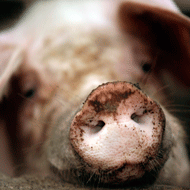
Discovery could have enormous implications for pig producers
Scientists at the University of Missouri have bred the first pigs which are resistant porcine reproductive and respiratory syndrome (PRRS) virus.
Using gene editing techniques the researchers were able to develop a pig that lacked the protein CD163, which is necessary for the PRRS virus to infect the pig's cells and cause disease.
Recent results show the gene-edited animals are resistant to infection from the virus. They do not get ill and have no signs of virus in their bodies. Kristin Whitworth, co-author of the study, explains:
“We edited the gene that makes the CD163 protein so the pigs could no longer produce it.
“We then infected these pigs and control pigs; the pigs without CD163 never got sick. This discovery could have enormous implications for pig producers and the food industry throughout the world.”
While the pigs that didn't produce the CD163 didn't get sick,the researchers noted no other changes in their development, compared to pigs that produce the protein.
Following these promising early results, the University of Missouri has signed an exclusive global licensing agreement for future commercialisation of virus resistant pigs with the Genus, plc.
If the development stage is successful, the commercial partner will seek any necessary approvals and registration from governments before a wider market release.
Welcoming the news, professor Bruce Whitelaw, head of division of developmental biology at the Roslin Institute said: “Although the research is still at an early stage, this paper points to what can be achieved using the new genome editing technology and could be a game changer for the pig industry.
"It has the potential to benefit the entire pork food chain from the farmer through to the consumer.”
Gene-editing involves modifying individual letters of an animal's genetic code. It is different from traditional GM techniques, because no new information is inserted into the DNA.
PRRS virus causes reproductive failure and can also cause respiratory tract illness in young pigs. There is currently no cure or adequate treatment.


 Companies marketing medicines for small pets exempt from authorisation must submit their annual return to the Veterinary Medicines Directorate (VMD) by 30 November 2026.



