


Consultation to consider exemption for certain working dogs
A consultation on whether to introduce a tightly defined exemption regime to the existing ban on tail docking of dogs will be published early next year, the Scottish Government has announced.
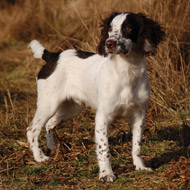
There has been a ban on tail docking in Scotland since April 2007. Since its introduction, many stakeholders have called for changes to the ban, which would see a specific exemption for certain working dogs, namely hunt point retrievers and spaniels.
Stakeholders also say that a change would also allow vets to use their professional judgement to decide whether tail docking is in the best interest of the puppy in these circumstances.
The consultation follows a study carried out by Glasgow University which showed that docking the tails of some working breeds by a third when they are puppies, may significantly decrease their risk of injury as a working adult.
In a statement, rural affairs secretary Richard Lochhead said: “Scotland has a fantastic reputation for its animal welfare record and has some of the highest welfare standards in the world.
“But the issue of tail docking is one that divides opinion because nobody wants to see a dog suffer avoidable harm at any point in its life. Despite the ban on tail docking being in place since 2007, some stakeholders have continued to make the case to me that it is possible to bring forward a tightly defined exemption to the ban that would permit certain breeds of working dogs to be docked.
“I think it is therefore right that the Government hears the views of all those with an interest on how any proposed exemptions for specific breeds – likely to be Spaniels and Hunt Point Retrievers - could work in practice.
“The consultation will therefore give everyone a chance to have their say and help inform us the best way to take this issue forward."


 Eligible members of BEVA will be able to vote for their Council team until Monday, 17 August 2026. Members will have received an election email on 17 July.



