


Over a quarter of UK birds red-listed
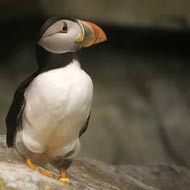
Puffins have now been added to the red list, along with 19 other species.
More than a quarter of the UK's birds are now red-listed, meaning they are globally threatened and face extinction if urgent action is not taken.
In its latest Birds of Conservation Concern report (BoCC4), the RSPB has added more new species to the red list than ever before, bringing the total number up to 67.
The report provides red, amber and green lists for bird species in the UK. This helps to identify the species that are most in need of conservation help.
Since the last review in 2009, 20 new species have been added to the list, but three previously red-listed birds have been moved to the amber list.
A further two species are no longer assessed because they have stopped breeding in the UK, as has another species from the amber list.
Among these lost breeders is the Wryneck - the first once-common species to be lost from the UK in nearly two centuries.
Other key findings:
- Five of the 20 new red list species are upland birds (curlew, dotterel, merlin, whinchat and grey wagtail). This suggests more work is needed to improve the management of hills, moors and mountains.
- Three more seabirds were added to the list (puffin, kittiwake and shag). This reinforces concerns about the state of the UK's marine ecosystems.
- Migrant bird numbers have fallen, particularly those that spend winter in sub-Saharan Africa. The iconic nightingale has shockingly been added to the red list.
The report does highlight some conservation successes, however. The bittern and nightjar have been moved from red to amber due to targeted conservation action. Meanwhile, the once red-listed red kite has now been moved from amber to green, offering hope to the 67 species remaining on the red list.


 Companies marketing medicines for small pets exempt from authorisation must submit their annual return to the Veterinary Medicines Directorate (VMD) by 30 November 2026.



