


Changing climate spells bad news for birds
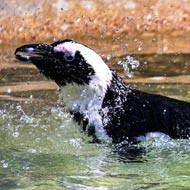
A new mainland colony for African penguins is helping to reverse dramatic population declines, due in part to climate-induced shifts in fish stocks.
Most bird species are expected to suffer shrinking ranges due to climate change, increasing the risk of extinction for some. This is according to a new report from Birdlife International.
It predicts there will be 'more winners than losers', as twice the number of bird species will be worse off as a result of climate change than the number of species that will benefit.
The Messengers report gathered hundreds of peer-reviewed studies from around the world to find out how climate change threatens both humans and birds.
It is feared population declines will be felt more keenly in areas where species cannot shift their distributions as swiftly as the climate changes.
The findings echo another recent report by the RSPB, which showed that European wildlife is already being impacted by climate change and the effects will only get worse in the next 100 years.
It's not all bad news, however, as The Messengers report also highlights conservation success stories. The creation of core breeding sites for Eurasian bitterns, for example, is leading to population increases. This species was under threat from rising sea levels on the south coast of the UK.
Similarly, a new mainland colony for African penguins is helping to reverse the dramatic population declines in South Africa, due in part to climate-induced shifts in fish stocks.
To read the full report, visit: http://climatechange.birdlife.org/assets/THE_MESSENGERS_FINAL_WEB.pdf


 Companies marketing medicines for small pets exempt from authorisation must submit their annual return to the Veterinary Medicines Directorate (VMD) by 30 November 2026.



