


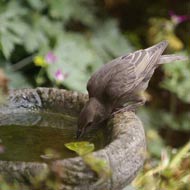
Unexpected cause of mortality explored in new study
Scientists have investigated the mystery deaths of young starlings, after being left puzzled by reports of mass drownings.
In other wild bird species, drowning is comparatively rare and usually involves only single birds. But reports from the public suggest starlings are drowning in groups of 10 or more.
A research team from the Zoological Society of London (ZSL) studied 12 incidents of starling drownings between 1993 and 2013. They found that in 10 of these incidents, more than 10 birds drowned.
Most of these cases occurred in spring or early summer and involved juvenile birds that were just a few months old.
Lead author Dr Becki Lawson said this could be because younger birds are less experienced at identifying water hazards.
"This combined with the fact that starlings are a highly social species could potentially explain why multiple birds drown together," she added.
Starlings are a red-listed species in the UK, seeing a 79 per cent decline in numbers over the past quarter of a century. Threats include loss of nesting sites and lack of insect food sources.
Luckily, scientists say drowning is not considered a threat to the species, as such incidents are still relatively rare. However, with starling numbers falling, Dr Lawson said: "We need to learn more about how and where these phenomena happen, in order to better understand why."
Members of the public who reported cases of drowned starlings were "instrumental" in highlighting this cause of mortality, she explained. ZSL is urging people to keep up the good work by reporting starling deaths - whatever the cause - through the Garden Wildlife Health website.
Providing water sources such as bird baths or ponds is still recommended, experts say, as water is a vital resource for wild birds. However, it is advisable to include a sloping exit or ramp to help birds and other animals get in and out easily.
Image © Christine M Matthews


 Companies marketing medicines for small pets exempt from authorisation must submit their annual return to the Veterinary Medicines Directorate (VMD) by 30 November 2026.



