


VN role in anaesthesia may be extended
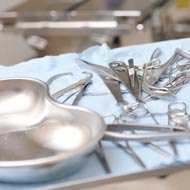
It is proposed that VNs be allowed to carry out induction and maintenence of anaesthesia.
A proposal to extend the role of veterinary nurses in anaesthesia has been recommended to the RCVS Council. If approved, it could allow RVNs to legally carry out anaesthesia under certain conditions.
The current proposal is to amend Schedule 3 of the Veterinary Surgeons Act, to allow veterinary nurses to carry out induction and maintenance of anaesthesia - with the most 'high risk' areas requiring veterinary supervision.
It is suggested that a new level of 'direct supervision' could be created, whereby a veterinary surgeon must be present to observe and respond immediately to any request for assistance.
So far, views have been sought from the BVA, BSAVA, BVNA and Association of Veterinary Anaesthetists, all of which have been generally supportive of the proposal.
A key concern was discussed at the VN Council meeting in Telford last week, however. Vice chair Kathy Kissick pointed out that equine veterinary nurse training does not currently include a module on managing anaesthesia.
The module was replaced with one on neonatal care following feedback from equine nurses and the BEVA, she said.
Councillors discussed whether equine nurses should be excluded from the proposals - however, this concern would also apply to a number of other species, including exotic pets.
It was suggested that the proposals should cover all veterinary nurses, which places the onus of responsibility on the veterinary surgeon - and the individual RVN - to decide whether or not the nurse can carry out anaesthesia competently.
It was felt the Code of Professional Conduct covers this, as it stipulates that vets and nurses must only perform a task if they are able to do so competently.
The council also stressed that the public must be adequately educated about the change - it must not be seen as a weakening of standards, but portrayed accurately as the best placed members of staff carrying out anaesthesia.
If the proposals are agreed by the RCVS Council, they will then be looked at in detail.


 A nationwide roadshow offering free, personalised parasite risk assessments and flea and tick checks will be visiting popular dog events across the UK.



