


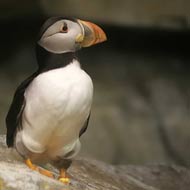
IUCN Red List revision brings total number to eight
The Atlantic puffin is among four UK bird species considered to be at risk of global extinction, the RSPB has confirmed.
European turtle doves, Slavonian grebes and pochards are now also on the IUCN Red List of Threatened Species, doubling the number of UK bird species considered to be facing the risk of extinction to eight.
A further 14 species are classified as Near Threatened, meaning that any further deterioration in their status could see them added to the red list too.
“Today’s announcement means that the global wave of extinction is now lapping at our shores," commented Martin Harper, the RSPB's conservation director.
He added: "The number of species facing extinction has always been highest in the tropics, particularly on small islands. But now the crisis is beginning to exact an increasingly heavy toll on temperate regions too, such as Europe.
“The erosion of the UK’s wildlife is staggering and this is reinforced when you talk about puffin and turtle dove now facing the same level of extinction threat as African elephant and lion, and being more endangered than the humpback whale.”
Although the global population of Atlantic puffins remains in the millions, the RSPB say that breeding failures at some key colonies over recent years have been 'worryingly high', with fewer young birds being recruited into the breeding population.
According to the Joint Nature Conservation Committee, reasons include a recent decline in the population of puffins' prey (such as the sand eel) and vulnerability to pollution such as oil spills.
The puffin joins the already listed Balearic shearwater, aquatic warbler, long-tailed duck and the velvet scoter.
Gwyn Williams from the RSPB said: “Today’s assessment is a warning that nature is in trouble, but with funding and the right conservation measures threatened species can recover.”


 Companies marketing medicines for small pets exempt from authorisation must submit their annual return to the Veterinary Medicines Directorate (VMD) by 30 November 2026.



