


Climate change could push snow leopards to extinction
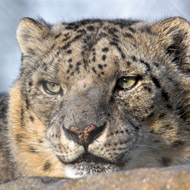
There are thought to be as few as 4,000 snow leopards left in the wild.
The WWF are calling for urgent international action as a new report reveals that snow leopards are facing a new threat from climate change.
Launched on International Snow Leopard Day (23 October), the report says that over a third of snow leopard territory might become unsuitable if climate change is not checked.
Warmer temperatures could see plants and trees start to grow further up the mountainside, encroaching on the big cat's territory and squeezing them into smaller pockets.
Rishi Kumar Sharma, WWF global snow leopard leader, said: "Urgent international action is needed to curb climate change and prevent further degradation of snow leopard habitat, otherwise the 'ghost of the mountains' could vanish."
Listed as endangered on the IUCN red list, there are thought to be as few as 4,000 snow leopards left in the wild and just 2,500 breeding adults.
As well as climate change, the species is also threatened by a combination of other factors including habitat fragmentation, a decline in natural prey and the illegal wildlife trade.
The report says that climate change will exacerbate most of these threats, further increasing the pressure on snow leopards and reducing them to unsustainable numbers in many areas.
Addressing such challenges has been the focus on the WWF's Conservation and Adaption in Asia's High Mountain Landscapes and Communities project, which was launched in 2012.
By working in Asia's high mountain communities, where many impacts are already being felt, the charity is contributing to a future where both people and biodiversity can thrive, even in the face of climate change.
"We’re working with both climate and snow leopard scientists to create development strategies that improve livelihoods, build resiliency, and maintain crucial snow leopard habitat in key locations across the range," say the WWF.
"We’re also helping select countries make climate-smart, landscape management plans that can serve as models for others in the region."


 Companies marketing medicines for small pets exempt from authorisation must submit their annual return to the Veterinary Medicines Directorate (VMD) by 30 November 2026.



