


Third pilot badger cull comes to an end
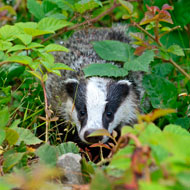
Figures on the number of badgers culled in the third pilot are expected to be released by Defra in the next couple of weeks.
The culling of badgers in Dorset, Somerset and Gloucestershire has come to an end, but the debate about whether or not the method is working continues.
The six-week badger culling operation finished on Monday (12 October) at 1pm. It is the third of the four-year pilot culls which have been designed to find ways of reducing the numbers of cases of TB in cattle.
The government has not yet released figures about how many badgers have been culled this year, however there has been a lot of speculation about whether the previous culls have had any impact on TB cases in cattle.
Speaking to BBC Radio 4 this morning, Bovine TB expert Lord Krebs spoke about how he believes previous figures showing a fall in bovine TB cases in the cull areas are not enough to claim that it has been a success. He accused the National Farmers Union (NFU) of giving farmers false hope about the impact of badger culling on bovine tuberculosis.
Earlier this year, NFU's president Meurig Raymond said that there had been a reduction of bTB cases from 34 per cent to 11 per cent in Somerset and a reduction in Gloucestershire, without providing the figures.
However, figures published by the government comparing the number of herds infected with TB in the year before the cull with the year following, show very little fall - just 29 herds to 28 in Somerset, and a rise of 17 to 28 in Gloucestershire.
Lord Krebs said: "I'm a humble scientist. I like to look at the numbers and take the numbers that the government has published and anybody who can interpret those numbers as showing that there has been a substantial reduction in TB in the cull areas must be, in my view, misrepresenting the data and I think that's bad for farmers and bad for the NFU".
In response to Lord Krebs comments, the NFU issued a statement saying: "We've always recognised that the culls need to be carried out over four years, and that it will be a number of years after their completion before full scientific evidence is available to show the positive impact they have had on bovine TB in cattle.
"We have always been clear that the figures we have pointed to are anecdotal and are based on reports from farmers on the ground, and from vets."
Figures on the number of badgers culled in the third pilot are expected to be released by Defra in the next couple of weeks.


 Companies marketing medicines for small pets exempt from authorisation must submit their annual return to the Veterinary Medicines Directorate (VMD) by 30 November 2026.



