


New bovine TB controls in Scotland
"These new controls show the foresight of the Scottish Government in animal welfare and agriculture as well as human health."
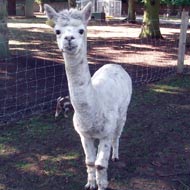
Scotland has introduced new legislation which will mean non-bovine animals - including alpaca, sheep and farmed deer - are now subject to a regime of TB controls.
The move is designed to protect Scotland's officially TB-free status.
"The cattle industry is already strictly regulated for TB but those legal powers in Scotland did not specifically cover controls of non-bovine species, except deer, where TB is strongly suspected or confirmed," said Richard Lochhead, Scotland's rural affairs and environment secretary.
The new measures, which came into force on Friday, 9 October, will help to address this gap and ensure Scotland is prepared to deal with any TB outbreaks that arise.
Welcoming the news, BVA's Scottish branch president Grace Webster, said: "We know that the disease in South American camelids has an extensive and aggressive pathology, and has zoonotic potential, so these new controls show the foresight of the Scottish Government in animal welfare and agriculture as well as human health."
Bovine TB is now a notifiable disease in alpaca, llama, vicuna, guanaco, deer, goats, sheep and pigs. The new rules also bring in compulsory slaughter of any TB reactors identified. Keepers will be entitled to statutory compensation if their animals are slaughtered as a result of TB.
The new rules will be used only where a TB incident is disclosed - for example, through post-mortem examination. There are no plans to introduce routine TB testing of non-bovine animals.


 Companies marketing medicines for small pets exempt from authorisation must submit their annual return to the Veterinary Medicines Directorate (VMD) by 30 November 2026.



