


Genetically-modified micropigs to be sold as pets
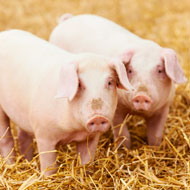
Any profits BGI make from the sale of the micro-pigs will be invested back into research into how to regulate the various applications of gene editing.
Micropigs created by scientists in China using genetic editing techniques will be sold as pets in the near future, according to a Guardian report. The idea has sparked a heated debate between scientists and animal rights groups.
Scientists at the Beijing Genomics Institute (BGI) outlined their work in the journal Nature last week. The micro-pigs were created originally as models for human disease, by applying a gene editing technique to a small breed of pig known as a Bama. However, last month BGI revealed that it would start selling the pigs as pets.
When mature, the micropigs weigh around 15kg - roughly the same as a medium-sized dog. They will be sold for 10,000 yuan each, which is around £1,000. In addition, customers will be able to chose the pig's coat colour pattern, which can also be achieved by manipulating its genetic make up.
Horrified with the idea, Dr Penny Hawkins, head of the RSPCA's animals department told the Observer: “The idea is completely unacceptable. In the past, pets have been bred by selecting animals, generation by generation, to produce a desired trait. Inducing a massive change in one go risks creating animals that suffer all sorts of horrific impairments.”
She adds: “We have to move away from the idea that we can pick our companion animals purely because of their cuteness and size. The idea of creating micropigs is a very big step in the wrong direction.”
Geneticist Jens Boch at the Martin Luther University of Halle-Wittenberg in Germany also warns against the practice. Speaking to Nature, he says: “It's questionable whether we should impact the life, health and well-being of other animal species on this planet light-heartedly.”
However, other scientists say there should be no reason not to take the idea of genetically modified pets as a serious concept.
Biologist Williard Eyeston of Virginia State University told the Guardian: “If the micropig is carefully evaluated and found to be equal in health compared to a normal pig and differs only in terms of size, there would be little scientific reason to block it from being offered as a pet.”
According to Nature, any profits BGI make from the sale of the micropigs will be invested back into research into how to regulate the various applications of gene editing.
“We plan to take orders from customers now and see what the scale of the demand is,” says BGI technical director Yong Li.


 Companies marketing medicines for small pets exempt from authorisation must submit their annual return to the Veterinary Medicines Directorate (VMD) by 30 November 2026.



