


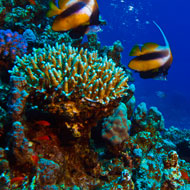
Populations of marine species have halved since 1970
Marine species across the globe are in 'potentially catastrophic' decline, according to research published by the Zoological Society of London (ZSL).
Findings presented in WWF's Living Blue Planet Report show a decline of 49 per cent in the size of marine populations between 1970 and 2012.
Not only are the figures disastrous for ecosystems, but they include populations of fish which are a critical food source for people living in the developing world, such as tuna, mackerel and bonitos. This particular group of fish has dropped by a staggering three quarters since 1970.
Falling stocks of bluefin and yellowfin are also of particular concern. Some species found in UK waters, including the vulnerable porbeagle shark and the critically endangered leatherback turtle, have also shown a significant decline.
Based on the Living Planet Index, the study reveals how overfishing, climate change and damage to habitat are affecting marine biodiversity. The analysis tracked almost 6,000 populations or over 1,000 species, making the data set almost twice the size of previous studies.
Commenting on the findings, professor Ken Norris, director of science at ZSL says: "The ocean works hard in the background to keep us alive, generating half of the world’s oxygen and absorbing almost a third of the carbon dioxide produced from burning fossil fuels. It also feeds billions of people around the globe, some of whom rely solely on the oceans to survive.
"These devastating figures reveal how quickly human beings are changing the wildlife in our oceans and are a stark warning of the problems we might face as a result."
Dr Louise Heeps, chief advisor on marine policy at WWF-UK adds: "As well as being a source of extraordinary natural beauty and wonder, healthy seas are the bedrock of a functioning global economy. By over-exploiting fisheries, degrading coastal habitats and not addressing global warming, we are sowing the seeds of ecological and economic catastrophe."
Fish are not the only marine species in steep decline - large amounts of coral, mangroves and seagrasses have also disappeared.
Experts say that it is very possible that coral reefs could be lost from most areas by 2050 as a result of climate change. Their loss would have a devastating effect, as more than 25 per cent of all marine species live in coral reefs, and around 850 million people benefit from their economic, social and cultural services.
Thankfully there is some good news. Recent studies from the North Sea have revealed that more than 50 per cent of assessed stocks, including haddock and herring are being fished sustainably.
Progress is being made in the designation of Marine Protected Areas, however experts say that the government must do more to ensure the delivery of a coherent and well-managed network of sites.


 Companies marketing medicines for small pets exempt from authorisation must submit their annual return to the Veterinary Medicines Directorate (VMD) by 30 November 2026.



