


Atypical myopathy season approaching
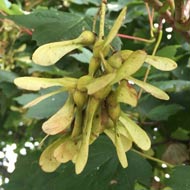
SPM is caused by the toxin hypoglycin A, which is contained in the seeds of sycamore trees.
Horse owners are being urged to minimise the risk of seasonal pasture myopathy (SPM) by identifying any sycamore trees in or near pasture.
SPM, previously termed atypical myopathy, is a fatal muscle disease in horses. Recent research uncovered the cause of the disease to be the toxin hypoglycin A, which is contained in the seeds of sycamore trees.
Now is the ideal time of year to look for the trees, as they will be in full leaf and seeds are clearly visible.
Mark Bowen, president elect of the BEVA, said: "We are urging horse owners to be prepared in 2015 to try and reduce the impact of this devastating condition."
Last autumn, high winds resulted in significant contamination of pastures with sycamore seeds. According to data from the National Equine Health Survey, there was a four-fold increase in cases of SPM.
Mr Bowen advised horse owners to resist the urge to fell the trees: "Doing so can lead to massive pasture contamination, further increasing the risks to their horses."
Sycamore seeds are not thought to be directly palatable, but horses grazing on poor quality pasture may ingest a considerable number. Horses diagnosed with SPM have usually been kept in sparse pastures without any supplementary hay or feed in their diets.
BEVA urges owners to take the following steps to protect their horses:
- Restrict access to seeds by using temporary fencing
- Ensure horses have access to good quality uncontaminated pasture
- Move horses off pasture at times of risk
- Provide supplementary feed in the field to minimise the risk of horses being tempted to ingest seeds
- Avoid leaving wet hay on the ground where it will rot
- Discuss the risks and how to identify early clinical signs of AM with your veterinary surgeon
- Being aware that a field without sycamore trees can still contain seeds spread by high winds or flood water
Image courtesy of BEVA


 Companies marketing medicines for small pets exempt from authorisation must submit their annual return to the Veterinary Medicines Directorate (VMD) by 30 November 2026.



