


Controversial pesticide ban lifted
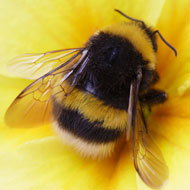
"Ever more scientific evidence shows use how dangerous these chemicals are to bees and other pollinators - they should have no place in our fields and gardens" - Friends of the Earth.
A ban on neonicotinoid pesticides has been temporarily lifted in certain parts of the country.
The government placed an EU-wide ban on the pesticide for two years after some studies found that neonicotinoids caused significant harm to bees.
However, following an emergency application by the National Farmers Union (NFU), two neonicotinoid pesticides can now be used for 120 days on around five per cent of England's oilseed rape crop.
It has not yet been decided where farmers will be able to use the pesticide, however the NFU say that discussions on the logistics of its distribution are underway.
Welcoming the approval, NFU vice president Guy smith said: “The NFU has worked relentlessly to submit a robust application and we’re glad to finally see a positive result. However, we know that this isn’t enough – flea beetle threat is widespread problem on a national scale and the extremely limited nature of this authorisation is unfortunately not going to help the vast majority of farmers in need of the protection.
“We will ensure that this approval is made the most of, both logistically and through the detailed monitoring of the crop for useful data. We will also call on Defra to contribute to solutions for the many farmers whose crops are significantly threatened by flea beetle but will not have access to these products.”
However some environment and wildlife groups have called the decision 'scandalous'.
Speaking to the BBC, Friends of the Earth campaigner Paul de Zylva said: "It's scandalous that the government has caved in to NFU pressure and given permission for some farmers to use banned pesticides that have been shown to harm our precious bees.
"Ever more scientific evidence shows use how dangerous these chemicals are to bees and other pollinators - they should have no place in our fields and gardens.
Responding to the criticism, a Defra spokesperson said: "We have fully applied the precautionary ban on the use of neonicotinoids introduced by the EU, and we make decisions on pesticides based on the science only once the regulators are satisfied they are safe to people and the environment.
"Based on the evidence, we have followed the advice of the UK Expert Committee on Pesticides and our chief scientist that a limited emergency authorisation of two pesticides requested by farmers should be granted in areas where oilseed rape crops are at greatest risk of pest damage."
The two-year ban on neonicotinoids comes to an end in December 2015.


 Companies marketing medicines for small pets exempt from authorisation must submit their annual return to the Veterinary Medicines Directorate (VMD) by 30 November 2026.



