


Guidance aims to protect donkeys in transit
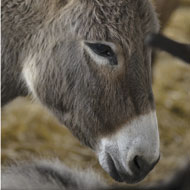
"Transportation is clearly a delicate process and a risk for the welfare of all equines – horses, ponies, donkeys etc".
New guidelines released by the Donkey Sanctuary aim to protect equines from the dangers of dehydration during transportation.
Equines are transported in their thousands throughout Europe each year and many of them have never or rarely travelled in a vehicle before.
The guidance aims to reduce the suffering they face and to enable more animals to arrive at their destinations in better condition.
Working alongside a group of industry experts, the charity produced the set of practical guidelines to better understanding of the watering needs of equines before, during and after travel, how to prevent dehydration, how to spot the signs of dehydration and what to do if these signs occur.
It also includes key points from European legislation, to help people understand their legal duties to animals.
Director of care and welfare Andy Foxcroft said: "Transportation is clearly a delicate process and a risk for the welfare of all equines – horses, ponies, donkeys etc.
"By highlighting the effects, steps of prevention and signs of dehydration, unnecessary stress and suffering can be reduced. People transporting equines should be aware of their duty of care during this process."
Download the handbook here: http://www.thedonkeysanctuary.org.uk/donkey-care-handbook


 Companies marketing medicines for small pets exempt from authorisation must submit their annual return to the Veterinary Medicines Directorate (VMD) by 30 November 2026.



