


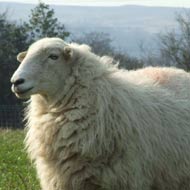
Study could allow farmers to breed superior sheep
Looking at the genetic history of native wild sheep can shed light on the migration habits of Britain's historic peoples, according to new research.
Findings from the three-year project may also help Welsh farmers identify genetic inefficiencies and breed superior sheep, helping to improve agricultural and economical practices.
Welsh sheep farming contributes around £230 million to the UK economy every year, making it one of the most important parts of the Welsh agriculture sector.
A collaboration of researchers from the RVC, University of London and Aberystwyth University mapped the genomic history of all 18 native Welsh sheep breeds.
Sheep were brought to the UK during the Neolithic period, but little is known about their history, genetic diversity and how they relate to other European varieties.
One breed from the Lleyn peninsula in northwest west was traced back to one small flock of sheep in Galway, Ireland in the early 19th century. This indicates that farmers and traders from that region came to Wales more than 200 years ago for agricultural findings.
Other key findings:
Welsh sheep share their genes with a number of other European breeds, but not with those from Asia, Africa and Australia.
Black Welsh mountain sheep were mapped back to Scandinavia, meaning their genetic history is very much influenced by sheep the Vikings brought to Wales.
Llandovery white face sheep stretched back even further to the Roman colonisation of Britain.
Researchers say understanding the relationship between Welsh, UK and other European breeds will help improve breeding strategies, which aim to lower costs, increase efficiency, improve livestock health and monitor inbreeding that can impact lambing and production of wool and meat.
Image © Vertigogen/Wikipedia/CC BY SA 2.0


 Companies marketing medicines for small pets exempt from authorisation must submit their annual return to the Veterinary Medicines Directorate (VMD) by 30 November 2026.




