


Plan to reform endurance riding in UAE
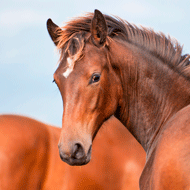
FEI Bureau will vote on the lifting of UAE's suspension once satisfied horse welfare will be ensured and FEI rules and regulations enforced.
Proposals to reform endurance riding in the United Arab Emirates (UAE) following serious horse welfare concerns have been welcomed by FEI, the international governing body for equestrian sports.
While the proposals are "a very good start", more work still needs to be done before the FEI Bureau can consider lifting the UAE's suspension.
FEI enforced a provisional suspension in March this year following an investigation into serious horse welfare issues and non-compliance with FEI rules and regulations.
Commenting on the proposals for reform, FEI president Ingmar De Vos said: "We welcome the proposed agreement of the UAE and see it as a very positive development that they are working to come to a solution."
A 10-page document proposing reforms was submitted by the Emirates Equestrian Federation (EEF) last week (5 June).
Proposals include:
- Creating an EEF endurance committee of enquiry to oversee the application of the rules
- Involving the national Olympic and anti-doping committees
- Training and educating athletes, trainers, owners and officials
- Possible banning of organisers for non-compliance with the rules
- Ensuring EEF national rules comply with FEI rules and regulations
- Working more closely with FEI, including welcoming FEI observers to EEF national events
- Cooperating with the inquiry into duplication of results at a number of UAE events
The UAE has also implemented new legislation that prohibits the trade or use of banned substances in horse racing and other sports.
After discussing these proposals in detail, the FEI Bureau agreed to work with the EEF to finalise the agreement, including seeking more concrete information on the proposals.
When the bureau is satisfied that horse welfare will be ensured, FEI rules and regulations will be enforced and pending issues have been dealt with, it will vote on the lifting of the suspension.


 Companies marketing medicines for small pets exempt from authorisation must submit their annual return to the Veterinary Medicines Directorate (VMD) by 30 November 2026.



