


AHDB backs BVD elimination programme
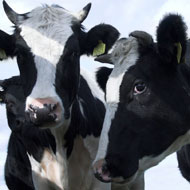
The RVC estimates the impact of BVD on English dairy and beef sectors to be over £11 million per year.
The Agriculture and Horticulture Development Board (AHDB) is backing a major initiative to help eliminate bovine viral diarrhoea (BVD) by extending the existing BVD Free programme in England.
The AHDB's dairy division (DairyCo) and beef and lamb division (EBLEX) is supporting the extended programme with £60,000 of funding.
The programme is expected to be launched in England later this year, and will work closely with similar BVD programmes operating in Scotland and Wales.
The RVC estimates the impact of BVD on English dairy and beef sectors to be over £11 million per year - with the impact doubling to over £22 million in a 'worst case scenario'.
“BVD adds significant cost through its ill effects on fertility and health," says Gwyn Jones, DairyCo chairman.
"Eliminating BVD virus will not only improve health, welfare and production efficiency but contribute to our aim of reducing the need to use antimicrobials through better health.
“I passionately believe that this is a goal that is not only right for the dairy industry but is achievable if everyone works together”.
EBLEX chairman Stuart Roberts added: “Beef farmers are particularly vulnerable to the effects of BVD which can potentially wipe out one year of the productive life of beef suckler cows either because they do not get in calf or they produce a persistently infected calf which then dies before reaching a marketable weight.
“BVD elimination will not only improve individual suckler herd outputs in the short term but through less pneumonia and other health effects will yield industry-wide long-term benefits”.


 Companies marketing medicines for small pets exempt from authorisation must submit their annual return to the Veterinary Medicines Directorate (VMD) by 30 November 2026.



