


RSA pet insurance change prompts concerns
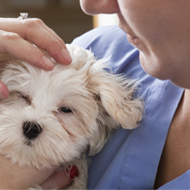
"Veterinary surgeons remain the most qualified people to decide what is in the best health and welfare interests of their patients" - RCVS.
Insurance group RSA has made the decision to establish a network of preferred veterinary surgeons for non-emergency procedures.
The change means that where a customer needs their pet referred to a specialist for non-emergency treatment, they will need to contact the insurance company first.
RSA will then work with the customer to agree on which practice they can take their pet to, depending on the individual circumstances relating to the claim.
In a press statement, RSA said: "Where our customers’ pets need to be referred to a specialist vet, we want to provide them with the confidence and comfort that they will be sent to the most appropriate surgery and get the right treatment. It’s for this reason that we’re creating our own network.
"When it comes to choosing the right vet, we want our customers to have a wide range of choice and to have a greater degree of insight regarding their referral treatment options.
"With veterinary fees increasing year-on-year above inflation, we also want to keep our premiums as low as possible for our customers to ensure pet insurance remains affordable. By having our own network and working with particular practices that offer a high quality service at a reasonable cost, we can deliver all of this to our customers."
The RCVS was made aware of the changes by several members of the profession. In response to the statement, they have issued a statement arguing: "In our view, it remains for the veterinary surgeon to decide, following discussion and agreement with their client, if referral is necessary and where the most appropriate referral practice would be.
"This decision typically would also take into account the likely referral costs, and whether the client’s existing insurance policy might wholly or partially cover those costs."
Under the RCVS Code of Professional Conduct, veterinary surgeons must keep within their own area of competence and refer cases responsibly. The vet should be satisfied that the referral veterinary surgeon is competent to carry out the treatment of investigations convened.
In addition, veterinary surgeons must not describe a referral veterinary surgeon as a specialist, or as an advanced practitioner, unless they are accredited as such and listed in the respective RCVS list.
"Whilst pet insurers may maintain a list of preferred veterinary service providers, depending on the terms of their policies, they should not take on the professional responsibility of the veterinary surgeon who has the animal under his/her care" the RCVS added.
"Veterinary surgeons remain the most qualified people to decide what is in the best health and welfare interests of their patients."


 Companies marketing medicines for small pets exempt from authorisation must submit their annual return to the Veterinary Medicines Directorate (VMD) by 30 November 2026.



