


Gene study helps breed disease-resistant salmon
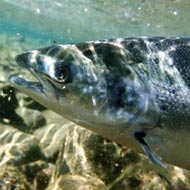
The genetic marker is now being added to genetic tests used by farmers to select the best fish for breeding.
Scientists have discovered a genetic marker linked with resistance to a potentially devastating virus affecting farmed Atlantic salmon. It is hoped their findings will reduce losses and improve welfare.
Pancreas disease causes major economic losses to salmon farmers in the UK and Norway. Outbreaks also have a substantial impact on the welfare of farmed salmon, sometimes proving fatal. As such, it is one of the most problematic infectious diseases in the salmon farming industry.
Led by the University of Edinburgh's Roslin Institute, scientists examined commercial stocks of Atlantic salmon that had survived salmonid alphavirus infection.
They discovered a genetic marker, called a QTL, that is now being added to genetic tests used by farmers to select the best fish for breeding. It is hoped this will allow salmon farmers to breed fish that are more resilient to the virus.
"Based on these results, it is possible to take a small sample of fin tissue from a salmon, study its DNA and make accurate predictions on whether it is likely to produce offspring that have high resistance to salmonid alphavirus," explained Dr Ross Houston from the Roslin Institute.
"Breeding from fish that are more resistant has the potential to make a significant positive contribution to controlling disease outbreaks."


 Companies marketing medicines for small pets exempt from authorisation must submit their annual return to the Veterinary Medicines Directorate (VMD) by 30 November 2026.



