


Charity chief warns fly-grazing rules are only part of the solution
Tough new fly-grazing rules will be worthless if landowners to not make use of them, warned World Horse Welfare's chief executive Roly Owers, as he called for a robust system of equine identification.
Approved by the House of Lords last month, the new law gives local authorities greater powers to seize horses that are being illegally fly-grazed on private and public land.
While this has been welcomed by equine charities, Mr Owers said that while landowners need to play their part, owners are primarily responsible and those who abandon their animals to fend for themselves should be held accountable.
"There are many responsible landowners and commoners who will take action when horses are left on their land, but there are still too many who will not."
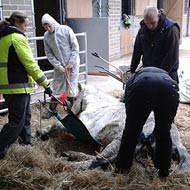
The charity recently released a video showing the story of a group of horses left on an exposed Welsh hillside. A mare called Rhoswyn was removed with two foals but some of the group were too weak and had to be put to sleep.
Field officer Tony Evans, who led the rescue team, said: "It is scandalous that the owner of these horses abandoned them giving them little chance of survival, with absolutely no regard for their welfare or the law, and was able to get away with it unpunished since there was no way of tracing them."
Commenting on the video, Mr Owers said: "This video is very upsetting but it is the stark reality of the current UK horse crisis. Yes, we do get very emotional, even angry, at times.
"But we use this feeling to drive us to do more, to help more horses, to educate more owners about their responsibilities and to provide more effective laws to help better protect our horses."
Image ©World Horse Welfare


 Companies marketing medicines for small pets exempt from authorisation must submit their annual return to the Veterinary Medicines Directorate (VMD) by 30 November 2026.



