


Scientists shed light on disease-causing genetic faults
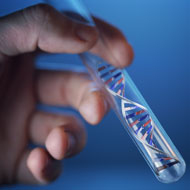
Until now, it was difficult to pinpoint the mutations that trigger disease.
An international team of scientists have developed a new technique that could allow them to identify genetic faults that trigger disease.
The method revolves around the enhancer regions of the DNA, which regulate the activity of the genes and manage the production of proteins.
These proteins perform key functions in the body and errors in their production can lead to a variety of human diseases.
Prior to the study, the relationship between enhancers and the genes they control was unclear, making it difficult to pinpoint the source of disease-causing mutations.
Researchers from the University of Edinburgh worked closely with those in other parts of the UK, as well as scientists in France, Germany, Australia and Norway. They managed to identify all of the enhancers and the genes they control on a single human chromosome.
When they tested the method on zebrafish, they found their genes were controlled by enhancers in a similar way to humans - suggesting all animals are regulated in this way.
David FitzPatrick, from Edinburgh's MRC Human Genetics Unit, commented: "This work is an important step in identifying which enhancers control which genes, and this will help us in interpreting the genetic changes we see in the part of the genome that does not code for protein."
According to the findings, which have been published in Nature Communications, many enhancers may control just one gene, which is important during development and maintaining normal brain function, as it allows genes to be very precisely controlled.


 Companies marketing medicines for small pets exempt from authorisation must submit their annual return to the Veterinary Medicines Directorate (VMD) by 30 November 2026.



