


Better preparation for practice life needed, says candidate
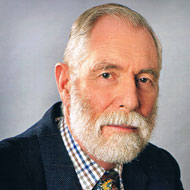
“There will always be stress, but with the right attitude, we should be able to minimize it," Peter says.
Making the transition from university to life in veterinary practice presents “real problems” for the profession, according to RCVS Council candidate Peter Robinson.
“Over the last few years, I have had a lot of contact with EMS students and new graduates... The schools are turning out graduates who are academically fantastic, but we are failing to train them practically. We can do it for veterinary nurses, so why can we not do it for vets?”
New graduates should be able to carry out everyday procedures with confidence from day one, he continues. “Smaller practices cannot always offer the support that the present graduates need; why employ them if they cannot do the job without supervision?”
Mr Robinson also believes poor preparation for life in practice is a major cause of stress in the profession.
“It is demanding; the hours are long. It’s a way of life, not a job and the rewards can be fantastic. Expectations are often too high. Work-life balance is always going to be difficult. Veterinary medicine is my hobby, not a job.
“There will always be stress, but with the right attitude, we should be able to minimize it. We are all in it together; we have to communicate with each other.”
In addition, he has concerns that too much emphasis is being placed on specialisation, making veterinary services less and less affordable for many pet owners. He explains: “We need general practitioners. We cannot all be specialists.
“Veterinary services are becoming too expensive and out of reach of large numbers of the pet-owning public. Not everyone can afford insurance, but they still want to do the best for their pets at a price that they can afford. We need to consider less expensive solutions. We do not want euthanasia to be the only option for the less well off.”
Mr Robinson held a seat on the RCVS Council for five months in 2014 and believes the college is “often misunderstood”.
The college “is a regulator, not a representative organization,” he says, “The RCVS is not the ogre that many believe it to be. It is OUR profession; the RCVS is OUR regulatory body. It does what we want it to do.
“Many members place too much emphasis on its disciplinary role. Out of the hundreds of thousands of consultations and procedures that are carried out each year the RCVS receives only 800 complaints and most of those are the result of poor communication, not misconduct, and are taken no further.
“We have to stop frightening our new graduates; if they always behave professionally and honestly they will never need to be disciplined!”
For our full interview with Peter, visit www.vetcommunity.com. Login in or sign up for a free account to read more on the elections and discuss.


 Companies marketing medicines for small pets exempt from authorisation must submit their annual return to the Veterinary Medicines Directorate (VMD) by 30 November 2026.



