


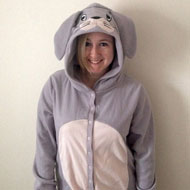
Emma Purnell will enter a "human hutch" to highlight poor rabbit care
Veterinary nurse Emma Purnell is preparing for a 48-hour stay in a human-sized rabbit hutch to raise awareness of the "miserable" living conditions of many pet rabbits in the UK.
A self confessed "crazy bunny lady", Emma is head nurse at Stocks Veterinary Centre in Worcestershire. At 5pm today (March 20), she will don a rabbit outfit and enter the cramped "human hutch", where she will eat only carrots and muesli with a guinea pig for company.
Emma's challenge has so far attracted much attention from the media and she has raised more than £1,000 for Fat Fluffs and Windwhistle Warren Rabbit Rescue.
"I will be cold, lonely, hungry and miserable," she says. "Living in cramped conditions, being fed on a diet of muesli and carrots…for me it's just 48 hours to raise awareness, for thousands of rabbits it's their life and it needs to change."
As well as raising money for charity, Emma hopes to dispel myths about rabbit care and educate owners on the proper environment, diet and social interaction with which to provide their pet.
Emma explains: "As a bunny mum myself, it amazed me the change in one of my own rescues from when I initially took him on, to when he had company, a proper diet, space to be a proper rabbit and much more environmental stimulation.
"It really does make the world of difference to these animals and people often just don't realise how complex they are. I hope that seeing me in the place of a rabbit they may put themselves in their own pet rabbit's place and it may help to improve their lives just a little.
"Both of the rescues I am fundraising for have helped me with unwanted and abandoned rabbits in the past and do an amazing job."
To sponsor Emma, visit: https://mydonate.bt.com/fundraisers/thehutchrabbit
For updates on her progress, see: https://www.facebook.com/hutchbunnyfundraiser or https://twitter.com/TheHutchBunny


 A nationwide roadshow offering free, personalised parasite risk assessments and flea and tick checks will be visiting popular dog events across the UK.



