


Exotic pet trade to be reviewed in Scotland
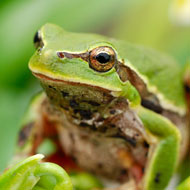
Scotland has seen numerous cases of exotic pet abandonment recently.
More can be done to protect exotic animals imported as pets, the Scottish cabinet secretary said yesterday (February 16), as he committed to a review of the pet trade.
Across Europe, the increasing demand for exotic pets presents a growing threat to animal health and welfare, human health and native species.
Currently, over 1,000 species are involved in the trade, including mammals, birds, invertebrates, reptiles and amphibians, as well as hundreds of fish species.
Richard Lochhead, cabinet secretary for rural affairs and the environment, said the situation warrants "serious investigation". The government plans to explore the possible outcomes of tighter rules on exotic pet keeping.
The BVA has welcomed the news, having previously urged the European Union to ban the import of wild caught reptiles and amphibians. In a statement yesterday, Mr Lochhead said he would like to see Scotland leading the way in EU level changes to the exotic pet trade.
Current Scottish law prohibits the release of non-native animals and has the ability to ban the sale and keeping of certain invasive species. It also makes provisions for the welfare of exotic animals kept as pets.
However, Mr Lochhead said: "I feel that perhaps more can be done to protect not only the exotic animals that are being brought into the country, but our own native animals and environment."
Of particular concern are internet pet sales. A number of species are available from sellers all over the world - with little guarantee as to animal welfare or responsible sourcing - including monkeys, pygmy hedgehogs, meerkats, raccoons and pythons.
Scotland has seen numerous cases of exotic pet abandonment recently, for example just last year the Scottish SPCA reported the abandonment of a Chinese water dragon, five corn snakes, four terrapins and a six-foot boa constrictor, among others.
Animal charity OneKind, which was involved in discussions with the Scottish Government, welcomed the news and advocated the introduction of a "positive list" system, which is already in use in Belgium and the Netherlands.
This system works by creating a list of animals that are suitable for keeping privately, whilst banning or strictly licensing the keeping of all others. This will be considered by the Scottish Government as part of their review.
The review of the exotic pet trade will form part of a wider study of pet welfare - including the breeding and sale of animals and internet sales of a variety of animal types.
Views will be sought from UK animal welfare groups, veterinary organisations and biologists in due course.


 A nationwide roadshow offering free, personalised parasite risk assessments and flea and tick checks will be visiting popular dog events across the UK.



