


Will beavers return to Wales?
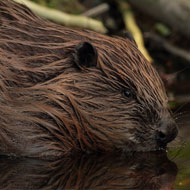
Those in favour say that beavers can improve water quality, boost biodiversity and prevent flooding.
Beavers could be making a return to Wales hundreds of years after their disappearance, according to a report by BBC News.
Natural Resources Wales has selected the River Rheidol river in Ceredigion as the preferred location to reintroduce the animal, however work is continuing to assess the results of pilot projects elsewhere in the UK.
Those in favour say that beavers can improve water quality, boost biodiversity and prevent flooding. However, concern about their impact has been voiced to farmers' leaders.
Speaking to BBC News, Tim Jones, executive director of operations for north and mid Wales at Natural Resources Wales, said that the possibility of reintroducing beavers to Welsh rivers needs "serious consideration."
He said that although beavers have the potential to improve water quality, wildlife and fish populations, the wider effects of reintroducing them should be looked at. This would include their effects on forestry, agriculture and flood defences, amongst many others.
The organisation is working with a number of partners to examine the evidence on the reintroduction of beavers and the outcomes of pilot projects elsewhere. Following this, if they are sure that it is the right thing to do, they will look at the options and the benefits and practical challenges of developing and continuing the project further.
However, Bernard Llewellyn, rural affairs board chairman of the farming union NFU Cymru, has said that he is concerned about potential diseases being spread to people and other animals, as well as about good agricultural land being lost to beavers.
Speaking to BBC Wales' Sunday Supplement programme, Adrian Lloyd Jones, leader of the Welsh Beaver Project, said that beavers would not spread any disease and they would bring many benefits to the surrounding countryside.


 Companies marketing medicines for small pets exempt from authorisation must submit their annual return to the Veterinary Medicines Directorate (VMD) by 30 November 2026.



