


It's all in the nose
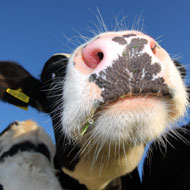
Scientists found the temperature of the cows' noses fell when they were in a relaxed state.
For the first time, scientists have explored whether the temperature of a cow's nose is an indication of positive emotions.
A study published in the journal Physiology and Behaviour, found a drop in nasal temperature occurred when cows were in a relaxed state.
Previous research has linked a fall in peripheral temperatures (skin, nose, ears etc) with high arousal negative experiences - such as stress, fear and frustration. However, little was known about how positive emotions affect the peripheral temperature.
For their research, World Animal Protection studied 13 cows, putting them into a relaxed state by stroking them in preferred areas. The team repeated this more than 350 times whilst remotely recording nasal temperatures before, after and during the stroking.
Helen Proctor, the charity's sentience manager, said: "Understanding how animals express positive emotions is an important area of focus for animal welfare science, yet it is widely neglected.
"The necessity is not to prove that animals have a range of emotions, but to measure it. In doing this it is key to show not just that pain and suffering is removed but to draw attention to the importance of good welfare and how to understand the positive emotions that an animal will display."
The work forms part of the charity's ongoing research in animal sentience - a subject of growing concern across many disciplines and sectors.
World Animal Protection says understanding of sentience among scientists has a key impact on how animals are treated both in work and everyday lives.
Researchers also hope their work will be of importance to the dairy industry in helping them to understand their cows.


 Companies marketing medicines for small pets exempt from authorisation must submit their annual return to the Veterinary Medicines Directorate (VMD) by 30 November 2026.



