


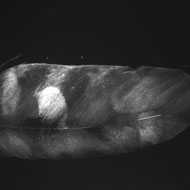
For the first time, forensic scientists have found a way to recover fingerprints from the feathers and eggs of birds of prey - a discovery which could help police tackle wildlife crime.
Previously, there was only anecdotal evidence of fingerprints being recovered from feathers. The research team have published the world's first academic research paper showing a consistent method for recovering prints from birds of prey.
Dennis Gentles, a forensic scientist and former scenes of crime officer, explained: "There are some surfaces where recovering fingerprints remains elusive - human and animal skin, for example. And, until now, feathers were on that list.
 The RSPB hailed the discovery 'a great step forward'.
The findings show red and green magnetic fluorescent powders were best suited for recovering fingerprints from feathers, while black magnetic powder was most successful for eggs.
Using the guidelines developed by the team from Abertay University, police investigating crimes involving birds of prey will be able to examine the discarded animal for fingerprints, helping to bring those responsible to justice.
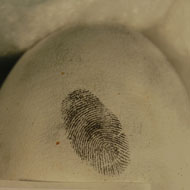
Mr Gentles commented: "They will now be able to recover more evidence – and it will be evidence that could potentially link a suspect to the crime."
The discovery could be key to tackling the rise in wildlife crimes. According to the RSPB, there have been 2,578 cases of bird crimes involving birds of prey since 2006.
The methods most often used are shooting, trapping and poisoning. While the illegal collection of eggs is in decline, this practice still continues.
RSPB Scotland's head of investigations, Ian Thompson, said these cases have included "some of our rarest breeding species like golden eagles, hen harriers and red kites whose populations continue to be threatened by illegal killing."
He added: "Identifying the perpetrator of offences that often take place in some of the remotest areas of our countryside continues to be very difficult."
Mr Thompson hailed the discovery "a great step forward".
The full study has been published in the journal Science & Justice.
Images courtesy of Abertay University.


 Companies marketing medicines for small pets exempt from authorisation must submit their annual return to the Veterinary Medicines Directorate (VMD) by 30 November 2026.



