


Soya alternative may help farmers save money
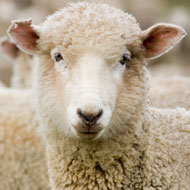
The diet based on wheat distillers dark grains was the cheapest.
An alternative ewe feed could save farmers money without affecting animal performance, according to findings from a new research project.
Soya is generally used to boost protein in ewes in the late stages of pregnancy and lactation, but this can be costly for the producer.
A project funded by EBLEX compared alternative protein sources to soya bean meal for pregnant ewes on a total mixed ration system (TMR) based on grass silage.
During the last three weeks of pregnancy, protein is particularly important for udder development and milk production in ewes.
Protein is derived from rumen degradable protein (RDP) and digestible undegradable protein (DUP). RDP is required daily and can be found in grass, hay, silage and green leafy brassicas. Usually, RDP is sufficient to meet the ewe's protein needs, but in late pregnancy soya is used to boost protein levels in the diet.
HCC, ADAS and Reaseheath College compared six diets with similar crude protein levels, which were fed to six groups of 40 twin-bearing ewes for four weeks prior to lambing in 2014. Researchers collected ewe body condition scores, ewe weights and lamb weights.
According to the findings, there were no significant differences in animal performance between the diets. The soya diet was the most expensive, whereas the diet based on wheat distillers dark grains was the cheapest.
EBLEX says that while not all producers have access to TMR facilities, some could mix their own diets. If changes are made to diets, the company advises that help from a nutritionist is crucial. Forage analysis should also be carried out so feeds can be used to complement it.
For more information about the research findings, visit: http://www.eblex.org.uk/research/climate-change/climate-change-sheep/protein-sources-and-tmr-feeding/


 Companies marketing medicines for small pets exempt from authorisation must submit their annual return to the Veterinary Medicines Directorate (VMD) by 30 November 2026.



