


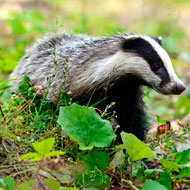
Plans include a new service giving farmers advice on TB management
Defra have announced new measures to combat bovine TB as part of their strategy to beat the disease in England.
The department has published a Biosecurity Action Plan, which sets out plans to help farmers reduce the risk of the disease spreading on their farms.
There will also be a new service giving farmers within the badger cull areas bespoke veterinary advice on TB management.
The announcement follows the publication of results from the second year of badger culling, which revealed that 341 badgers were removed in Somerset - exceeding the minimum target of 316. In light of this, chief vet Nigel Gibbens said the culls should continue for at least two more years in this area, stating that industry-led culling can, in the right circumstances, "deliver the level of effectiveness required to be confident of achieving disease control benefits".
Environment Secretary Elizabeth Truss said: "During the last parliament bovine TB rates in England soared to the highest in Europe. That is why we are taking strong action in pursuing our comprehensive strategy, including tighter cattle movement controls, vaccinations and culling.
The chief vet’s advice is that results of this year’s cull in Somerset show they can be effective. That is why I am determined to continue with a comprehensive strategy that includes culling."
Defra plans to launch a consultation on a package of tougher cable measures in the New Year, which include statutory post-movement testing for cattle entering the low risk area.
Further planned measures include launching a web-based map revealing locations of TB, and publishing disease reports for the edge and low risk areas.


 Companies marketing medicines for small pets exempt from authorisation must submit their annual return to the Veterinary Medicines Directorate (VMD) by 30 November 2026.



