


New strategy launches to support the needs of bees
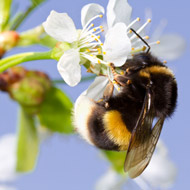
The government is launching the National Pollinator Strategy to support bees and other pollinators.
The government is launching the National Pollinator Strategy to support bees and other pollinators.
Bees and pollinators are vital for fertilising plants so they produce fruits and seeds. Organisations such as The National Trust, Highways Agency and Network Rail, which manage over 800.000 hectares of land in England, have signed up to the strategy and pledged to take actions such as allowing gross to grow longer and planting more bee-friendly wild flowers.
Environment secretary Elizabeth Truss said: "As much as one third of the food we eat is pollinated by bees - from apples and pears to strawberries to beans. We now estimate the value of insects pollinating our crops and plants amounts to hundreds of millions of pounds.
That's why we are doing everything we can to help them thrive. Not everyone can become a beekeeper, but everyone from major landowners to window-box gardeners can play their part in boosting pollinators."
Defra will be setting up bee hives on the roof of their building in London and some supermarkets have already begun to distribute bee-friendly flower seeds to their customers.
Railway embankments, forests and motorway verges will be used to create bee and insect friendly paradises as part of the major new strategy to protect the 1500 species of pollinators in England.
In addition, Defra have announced the first ever wild-pollinator and farm wildlife package, which will see more funding made available to famers and landowners that take steps to protect pollinators through the new Countryside Stewardship Scheme.
For more information about how to help pollinators, visit: http://www.wildlifetrusts.org/Bees-needs.


 Companies marketing medicines for small pets exempt from authorisation must submit their annual return to the Veterinary Medicines Directorate (VMD) by 30 November 2026.



