


MRSA bugs linked to livestock are found in hospitals
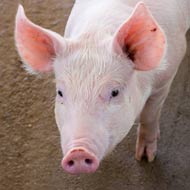
Some MRSA bugs in UK hospitals can be traced back to a type of bacteria found in farm animals.
Research by the University of Edinburgh has suggested that some MRSA bugs in UK hospitals can be traced back to a type of bacteria found in farm animals.
The MRSA strain Staphylococcus aureus CC398 - a type of drug resistant bacteria carried by some livestock - has also been found in patients, the research has revealed.
Distinct variants of the CC398 strain can be found in both people and animals and evolve from the same, original bacteria. However, the strain found in livestock can be transmitted to humans, and the study shows that this has happened on many occasions.
The research also provides new evidence that the livestock-associated CC398 strain could spread in hospitals.
CC398 from farm animals can be harder to treat because it is resistant to some common antibiotic drugs. The researchers say that the strain's enhanced drug resistance in livestock is likely to be the result of widespread use of antibiotics on farms.
Patients in nursing homes and hospitals are at increased risk of MRSA infection, but healthy people in the wider community can also be infected with some strains.
For the first time, the researchers unravelled the full genetic code of CC398 strains from the UK, and compared these with published genetic data on CC398 bugs from humans and livestock around the world.
The scientists say that the strain has entered the UK several times since the mid-1940s, though the original source of the bacteria remains unclear.
Lead researcher Dr Melissa Ward said: "Our findings emphasise the need for strict biosecurity practices in the food production industry, as well as continued surveillance and infection control of MRSA in hospitals. Responsible use of antibiotics in healthcare settings and agriculture is of utmost importance."
The study was published in the journal Applied and Environmental Microbiology.


 Companies marketing medicines for small pets exempt from authorisation must submit their annual return to the Veterinary Medicines Directorate (VMD) by 30 November 2026.



