


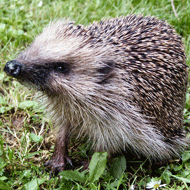
British Hedgehog Preservation Society makes plea to prevent harm to wildlife
The British Hedgehog Preservation Society (BHPS) is urging those making bonfires to celebrate November 5th not to build them in advance in a bid to save the prickly creatures and other wildlife from serious harm.
With bonfire night fast approaching, the society says that bonfires should not be built until the day they are to be lit to save hedgehogs and other animals that may take refuge in the pile. This should prevent wildlife from burning to death but will also stop the bonfire from getting soaked if it rains the night before.
Fay Vass, chief executive of the BHPS, says: “If material is stored on open ground in advance of having a bonfire, it’s crucial to dismantle it and move it to another spot just before lighting. Ensure it’s moved to clear ground - never on top of a pile of leaves as there could be a hedgehog underneath, and not too close to pampas grass which can ignite very easily and is another favourite spot for hedgehogs to hide under."
If your proposed bonfire is so big it has to be built in advance protect it while building by putting some chicken wire at least one metre high all the way around the bottom. This should be held in place with stakes and the wire should slope outwards at an angle to make it difficult to climb, as hedgehogs are good climbers.
If you leave the bonfire unattended for even a short time you need to check for animals, which could include household pets, before lighting. Gently lift the bonfire section by section with a pole or broom and make sure you check all the way into the centre - a hedgehog's favourite place. Using a torch will help and listen for a hissing sound, as this is the noise they make when disturbed.
Fay says: "If hedgehogs are found, take as much of the nest as you can and place them in a high-sided cardboard box with plenty of newspaper or old towelling. Ensure there are air holes in the lid and that the lid is secured firmly to the box, as hedgehogs are great climbers.
"Ideally, wear garden gloves so as not to get human smells on them and to keep them calm as hedgehogs are easily stressed - also, it protects your hands from their spikes. Put the box in a safe place such as a shed or garage well away from the festivities, offer specialist hedgehog food or meaty pet food and water.
"Once the bonfire is totally dampened down, release the hedgehog under a hedge, bush or behind a stack of logs. In case you have missed anything light the fire from one side only and keep people away from unlit side so that any hedgehogs can hopefully escape in peace."
For free advice and information on hedgehogs visit www.britishhedgehogs.org.uk.


 Companies marketing medicines for small pets exempt from authorisation must submit their annual return to the Veterinary Medicines Directorate (VMD) by 30 November 2026.



