


Education answer to pet rabbit welfare problems
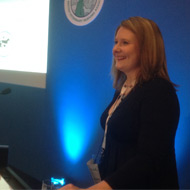
Dr Claire Corridan
So many problems we see in rabbits come down to husbandry," said Dr Claire Corridan, speaking to vet nurses at the BVNA Congress in Telford.
"There are over a million rabbits living in three per cent of UK households; but we only tend to see them when they are brought into practice for treatment of clinical problems rather than for preventive healthcare," said Dr Corridan.
Rabbits do not like to be on their own, they are social animals – and companion guinea pigs are not the best solution. Twenty-nine per cent of rabbit owners report a behavioural problem in their pet; but the likely proportion is much higher.
Inappropriate toileting, destructiveness and not fulfilling the expectations of owners – especially when there are children in the family – are the main behavioural presenting signs in rabbits. So it is important to explain to clients how best they can try to reflect the natural requirements of rabbits in the home environment.
All rabbits should have a 'buddie' – which should be of the same sex and preferably neutered. It is also much easier to introduce rabbits to each other when they are young. Litter trays should be well defined and easily accessible, there should be places where rabbits can hide, and specific feeding and drinking areas.
Many 'aggressive' rabbits are showing this behaviour out of fear and the first thing to avoid with them is to stop lifting them up and to "give them some space". Owners should be taught how to lift their pets correctly too, so that the pet feels safe.
Repetitive behaviours, especially biting, are also signs of stress, so attention to removing the source of this behaviour should be paramount.
Rabbits are not an easy pet keeping option. Although they are often bought for children, it is often the parents who actually look after them. Education is, therefore, essential and the real answer lies in talking to potential owners before they acquire the animal. Dedicated nurse rabbit clinics work very well in this respect.


 Eligible members of BEVA will be able to vote for their Council team until Monday, 17 August 2026. Members will have received an election email on 17 July.



