


RUMA clarifies its position on antibiotics
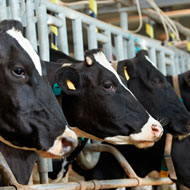
RUMA does not support routine preventative use of antibiotics in the place of better husbandry or farm management.
A "wide-ranging" position paper has been released by the Responsible Use of Medicines in Agriculture Alliance (RUMA), to clarify its position on antibiotic resistance and the use of antibiotics in farming.
The paper also states that it aims to address "inaccurate assertions" made by the Alliance to Save our Antibiotics (ASOA).
Resistance is a hotly debated topic, with the Prime Minister recently commissioning a review to help address the problem.
Last year, the UK's chief medical officer said: "Antibiotic resistance is one of the greatest threats to modern health and we face a future without cures for infection if antibiotics are not used responsibly."
RUMA says it does not support routine preventative use of antibiotics in the place of better husbandry or farm management.
The position paper states that scientific evidence suggests antibiotic resistance in humans is largely down to overuse or misuse in human as opposed to veterinary medicine.
A report by the House of Commons Science and Technology Committee, cited in RUMA's paper, states that "there is circumstantial evidence that antimicrobial resistance can be transmitted from animal pathogens to human pathogens although the evidence base in incomplete". (Ensuring Access to Working Antimicrobials, paragraph 51).
RUMA says it supports the committee's call for further research in this area and highlights more recent research which found resistant bacteria are genetically different in animals and humans.
RUMA added that there is "no clinical crisis in animal medicine" and antibiotic treatments continue to work.
The alliance called on ASOA and others licensing organic production to allow antibiotics to be used responsibly for the benefit of animal welfare.
Removing certain antibiotics from animal use with put pressure on the remaining classes, thereby increasing, rather than reducing, the risk of resistance developing, RUMA says.
Animal welfare must also be considered. The paper states: "We need to consider very carefully the consequences of of reducing necessary antibiotic use in animals, which can have serious animal welfare/health implications, for possibly no benefit to reducing resistance in humans."
However, RUMA says there must be no complacency about antibiotic use in animals and medicines must be used responsibly in agriculture to prevent problems in animal or human medicine.
Visit RUMA's website for the full paper: http://www.ruma.org.uk/news/20140408.htm


 Companies marketing medicines for small pets exempt from authorisation must submit their annual return to the Veterinary Medicines Directorate (VMD) by 30 November 2026.



