


Seal numbers in the Thames on the increase
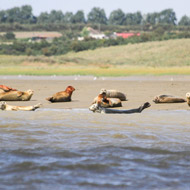
Seal numbers are increasing in the Thames.
A survey by the Zoological Society of London has revealed that the number of seals in the Greater Thames Estuary has dramatically increased from 685 to 938 in the past year.
In the second year of the annual seal survey, volunteers and conservationists covered more than 4,000sqkm between Kent and Suffolk to complete the most comprehensive count of seals in the region.
The grey and harbour seals which live in the Thames Estuary are some of the least understood seal populations in the UK. Having seen declines of up to 90 per cent in some Scottish harbour seal populations, conservationists are now keen to keep a close eye on the smaller of the two species in the Greater Thames Estuary.
ZSL conservationist, Joanna Barker, said: "With harbour seal numbers remaining stable and grey seal numbers more than doubling since last year, the result of this year’s survey is a good indicator of the health of the Greater Thames Estuary.
“Grey seal numbers are increasing along the East coast, so it’s not surprising that more are moving into the estuary. However, it is important that we use the same methodology to complete the survey every year in order to identify these changes, and investigate how this affects the harbour seal population.”
The release of the population survey coincides with the annual seal moult, where harbour seals move onto sandbanks to shed their coat and grow a new layer of fur ready for the winter. Members of the public are being encouraged to make the most of this 'seal spotting' window and add their seal sightings, to ZSL's Marine Mammal Map, which also shows the results of this years count: www.zsl.org/inthethames.
Next summer, in addition to the annual seal survey, ZSL hopes to identify the species' preferred locations for breeding and rearing young by completing its first harbour seal pup count.


 Companies marketing medicines for small pets exempt from authorisation must submit their annual return to the Veterinary Medicines Directorate (VMD) by 30 November 2026.



