


Wildlife experts team up to tackle infection
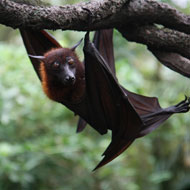
The ebola virus, responsible for the recent outbreak in West Africa, originates in wild fruit bats.
Vets and scientists from across Europe are meeting in Edinburgh this week to discuss ways to tackle the spread of diseases between wild animals, domestic animals and human populations.
Experts are calling for better health surveillance and monitoring of wild species in a bid to help stop the spread of infections that can have catastrophic results.
Many infectious diseases that affect people have a natural reservoir in animal populations. For example the Ebola virus, responsible for the recent outbreak in West Africa, originates in wild fruit bats.
The European Wildlife Disease Association Conference, hosted by The University of Edinburgh, is discussing the challenges of gathering health information from animals in the wild as well as new strategies to monitor and manage disease outbreaks in wildlife to safeguard the health of people and farm animals.
Health monitoring of animals in the wild is also important for conserving threatened species and maintaining wildlife diversity and delegates will review new diseases that may present a future threat. These include an emerging bacterial infection similar to leprosy that is affecting endangered populations of red squirrels in Scotland.
Professor Anna Meredith, of the Royal (Dick) School of Veterinary Studies who organised the conference in conjunction with Scotland's Rural College, said: “Most infectious diseases that affect people originate in animals, both wild and farmed. Understanding how these diseases spread in wild animals is vital.”


 Companies marketing medicines for small pets exempt from authorisation must submit their annual return to the Veterinary Medicines Directorate (VMD) by 30 November 2026.



