


Survey reveals young vets would like more support in practice
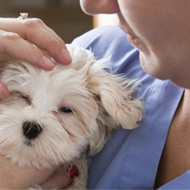
Young vets would appreciate more support with the challenges of working in practice, accordingly to a new survey by the British Veterinary Association.
As a new TV programme 'Young Vets' is shown on BBC2, the survey has shown most are happy with their career choice but feel in need of help and guidance as working in practice becomes a reality.
The BVA UK-wide survey reveals 83% of student vets would definitely choose to be a vet again, with less than 1% saying they wouldn't take the same career path.
However moving from university life into veterinary practice throws up a series of challenges including moving away from family, friends and university colleagues, lower wages than professions that require similar training, long hours incorporating additional nights and weekends and a shortfall between career expectations and professional reality.
These concerns were reflected in further findings in the Voice of the Veterinary Profession survey.
When 26 to 34-year-old vets were asked 'knowing what you know now, would you choose to pursue a career as a vet again?' 21% answered 'no, I would not still choose to be a vet'.
A further 32% said they were not sure.
Of the 21% who said they wouldn't choose to be vet over half cited poor pay compared to equivalent professions as one explanation for their answer, while a similar proportion gave long hours or poor work life balance as a reason.
BVA President Robin Hargreaves said they had introduced a number of initiatives to help meet these challenges including the Young Vet Network, that provides additional support and services to members in their final year of study and the first eight years after graduation.
“We see the commitment and enthusiasm of young people during their studies and training for the veterinary profession and this is reflected in the findings of the BVA Voice of the Veterinary Profession survey.
"Young people enter the profession because they care about animals and their owners and are prepared to go through very tough studies and training to achieve their dream of becoming a vet. But we know that the reality of the profession can be different from expectations as a student.
“More needs to be done. This includes working with schools and universities at the very start of young vets’ careers to ensure they are aware of the challenges ahead and to support them to develop the resilience to deal with those challenges and continue to enjoy and contribute to the profession we love.”


 Companies marketing medicines for small pets exempt from authorisation must submit their annual return to the Veterinary Medicines Directorate (VMD) by 30 November 2026.



